Tag: core update

Google confirmed a broad core algorithm change, named the May 2022 core update, which finally rolled out on June 9, 2022. The purpose of basic updates is to make search results more relevant to users. A fully deployed version of this update takes between 1-2 weeks.

It’s one of the largest Google algorithm updates we’ve seen in a long time, at least in terms of SEO impact.

According to Danny Sullivan, Google’s public liaison,

“Core updates are changes we make to improve search overall and keep pace with the changing nature of the web. While nothing is a core update is specific to any particular site, these updates may produce some noticeable changes to how sites perform.”

As a result of these core modifications, our search results will be more helpful and valuable to all users.

This upgrade targets all types of web content. There is a notion that it will penalize the website, although this upgrade is intended to promote or reward excellent web pages.

It is a global update that will affect all regions and languages. The core updates affect Google Discover, snippets, and other services. The most significant impact of this upgrade is that it does not inform you what proportion of queries or searches were affected by this update.

What to Do if the May Core Update Affected You

As you are all aware, the core update has now been released. But, this does not indicate that all is well. We recommend keeping a close eye on the developments.

If your website has been impacted by the current algorithm update, we recommend reviewing Google’s 2019 document “What site owners should know about Google’s core updates.” 

Here are some recommendations:

  • Create unique, valuable content that includes insights and analyses.
  • Write a complete and detailed description of the topic.
  • Do not plagiarise from other sites. Use additional sources if they add new insight and value to the topic.
  • Write descriptive, informative headlines.
  • Content should be written by someone who is well-versed in the subject matter.
  • Address the subject to match user expectations.
  • Always use proper spelling and grammar.

In summary, individuals who have been working hard on their site over that time may begin to witness some substantial gains in search rankings.

Those who have abandoned their site may find themselves outranked by sites with more relevant information.

It is advisable not to make any major changes until the core cause has been identified. If you’ve noticed a drop in the last two weeks, try to understand the content modifications or off-site gaps that may have happened. When traffic and rankings increase, try to figure out what is working and incorporate it into your SEO strategy.

You may need to consult an SEO professional to help you understand what this implies and how you can establish a long-term SEO strategy if you are still unsure where to begin.
When you believe you have begun to comprehend the Google Algorithm, Google will soon surprise you by releasing a new update. This time, they’ve changed the indexing to “passage indexing.” The more you read about it, the clearer it will become.

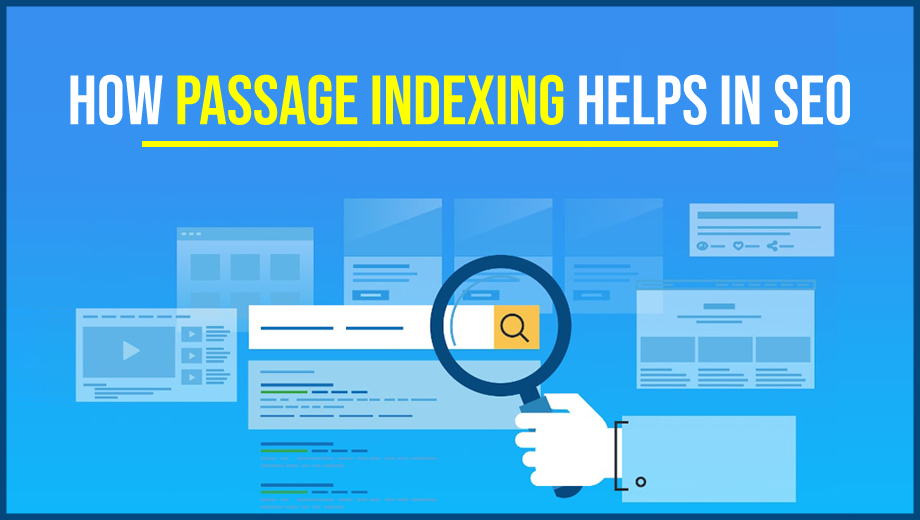
What exactly is the Passage Indexing?

Passage indexing is a new Google algorithm update that retrieves particular passages from page depending on the user’s search query in the search engine. 

For instance, if you have created a long post on the topic of organic research and have a separate passage on each of the organic research methodologies, Google will now rank the specific passage of the content that fits the search query from the page.

Google’s official statement says that the Passage Index allows search algorithms to analyze the meaning of content within a page at a detailed level.

However, there is no reason to be concerned about this alteration. It is not necessary to make modifications to the content of your website. Google claims that it will affect 7% of search queries. If your page currently ranks well, passage indexing may have little effect on your site.

What influence does passive indexing have on SEO?

SEO has a small effect on passive indexing. However, we believe that indexing is a boon to increasing traffic. Longer content will rank higher for more keywords than shorter content and articles.

So, start generating lengthier content now that Google is ready to assist its users. E-commerce sites with little or no content are less likely to experience a change in Google ranking.

Long-tail keywords are more likely to evoke passage indexing, so include phrases and longer sentences in your content.

This also suggests that SEOs can shift their attention away from keywords and focus more on topic-related searches.

The Passage Index requires websites to investigate and respond to the issues faced by users.

Analyzing the content and importance of each paragraph is no longer a difficult challenge for Google’s Language Processing Algorithm (BERT).

It is all about helping professionals fighting against misinformation in communities.

For the last few years, we are living with a polarizing time that makes it difficult to run a business. In such a climate, we can share our knowledge on how digital marketing can help us to remove the gap and make it easier to connect us with potential audiences, loved ones, colleagues, etc. Searching on the web works to help people in identifying the information that brings us together as a society. So, it becomes most important for everyone to learn about the search.

Do not wait for such a polarizing time to share about the search, it might be too late to reveal. Instead of it, just take any convenient time to ask something from your partners and make sure your information is relevant for listeners. Marketing and advertising are all about the connection of people and sharing information.

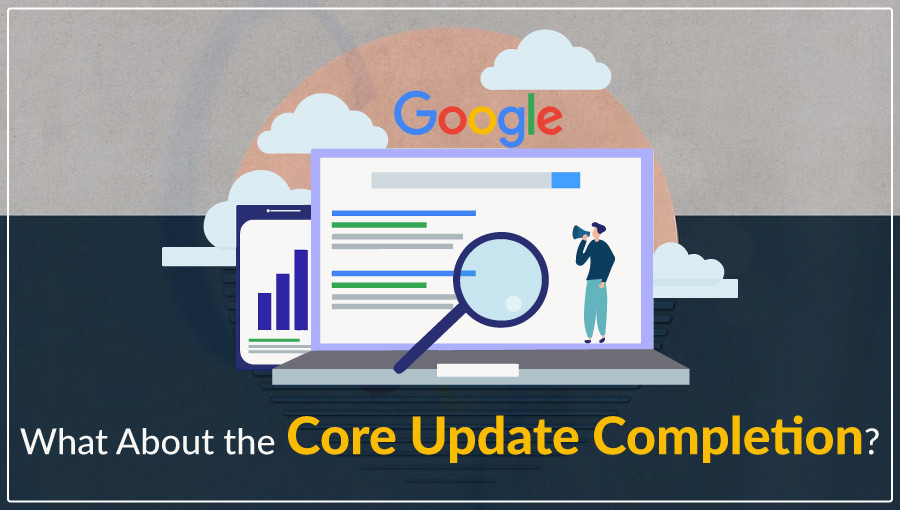
What About the Core Update Completion?

Finally, it has been done. Google Core Update July 2021 core update is completed effectively.

Recently, Google has announced that the work on core update July 2021 started 12 days ago, on the date July 1, 2021. Now it is completed, done, and rolling out. The update was initially announced on July 1st, 2021, and felt mostly done by July 2, July 9, and July 12.

The sister update of the core update in June 2021 was started on June 2, 2021, and lasted for 10 days. Then finally completed on June 12, 2021. It seemed to be completed in a bigger way as compared to its July counterpart.

What to expect with Two Core Updates?

Like any other update on the Google algorithm, your rankings may go up or down, or remain stable. But with the June 2021 core update, it can make an impact and reverse itself with the core update in July 2021. Typically, Google told us that most of the sites won’t notice recent updates but in the case of SEOs, the scenario is different. SEOs manage sites in the way to see a lot of changes in search results of Google search results. It is all because of the two-part nature of released updates. Because of the recent update, some content or sites might see some or many changes as per the core update in July 2021. This recently released update will become a global rollout, impacting all languages.

What to Do if You Get Hit This Time?

Google advised on what to do if your site or ranking is negatively impacted by a recently updated core update. To cure effects, there is no need to perform any specific actions to recover. A negative ranking impact may not be considered as a signal that anything wrong is happening with your pages. However, Google gave a list of common questions that have answers for the cure. It will help you in case your site is hit by a new core update. 

Why Should We Care? 

Whenever Google releases updates to its algorithms, it impacts sites that can do better or some worse in search results. Keep updated about Google updates gives us a better understanding if it needs to change something on our website. Today, we know that Google has released a core ranking update, so we will keep an eye on the ranking and analytics of our websites and their pages.

Start working together